How to Visit Flower Auctions in the Netherlands
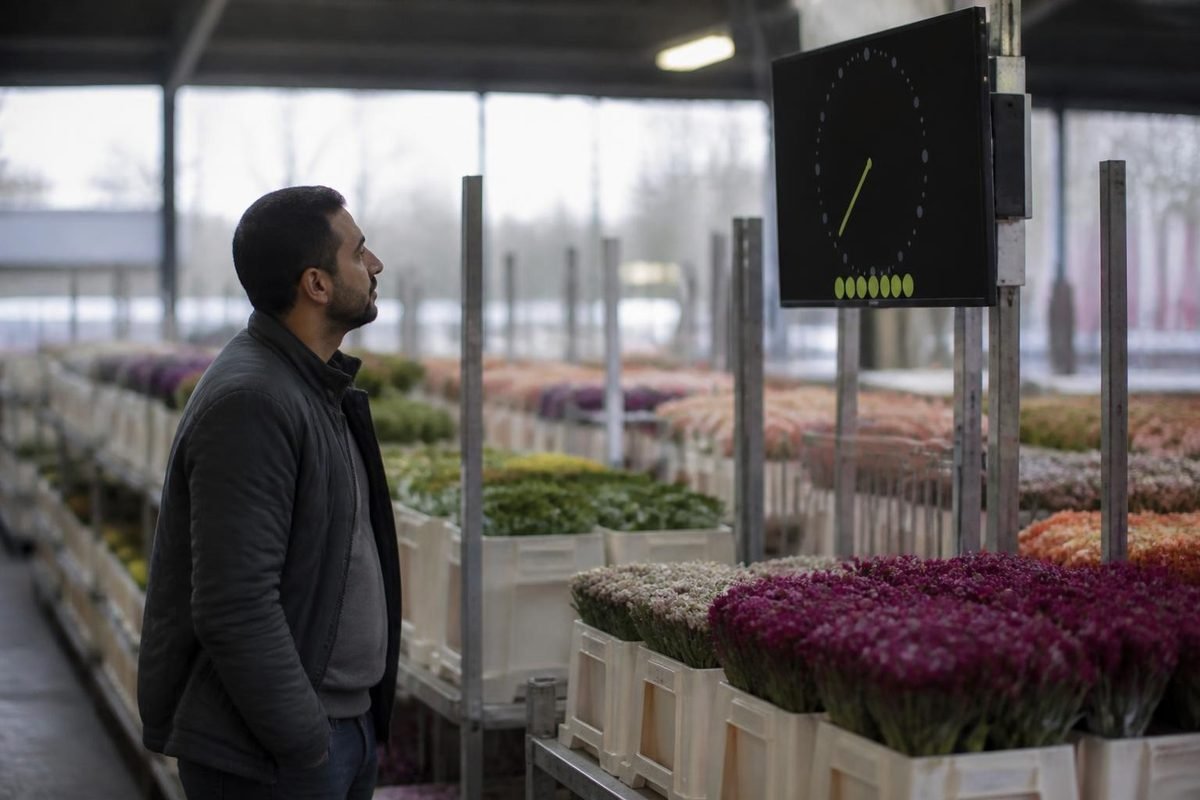
Visitors can explore Dutch flower auctions by checking public access to working auction sites or visiting a museum that explains the trade. Plan ahead, since operating hours, visitor facilities, and tour availability can change.
Choose a place to visit
Aalsmeer is a major center of the Dutch flower trade, and its vast auction complex is one place visitors may consider. Before traveling, check the official visitor information for the site. Access to a working trading floor should not be assumed, and viewing arrangements may differ from those described in older travel guides.
For a historical perspective, Museum BroekerVeiling in Broek op Langedijk tells the story of a Dutch produce auction. It is not a working flower auction, but it offers a way to learn about auction methods in a setting connected to the history of Dutch trade. Check its program before visiting if an auction demonstration is important to you.
The distinction matters. A working flower auction is a place of business, where people are moving goods and making purchases. A museum visit is designed for the public and may give you more time to look around and ask questions.
Plan your visit
Flower trading often starts early, so a useful itinerary begins with the opening and access details rather than a leisurely arrival. Look at transport options too, especially if you are relying on an early train or bus.
- Check the official site for current visitor access, opening days, and any booking requirements.
- Confirm what you can see, such as a viewing area, guided tour, or demonstration.
- Look up the journey from your accommodation and allow time for connections.
- Bring a layer for a cool morning and follow any visitor rules at the venue.
If you cannot find clear information about a working auction, contact the venue before setting out. A closed door at dawn is not a good way to discover that a tour has stopped running.
Understand what you are seeing
Dutch auctions are known for the auction clock, a system in which the asking price moves down until a buyer accepts it. Modern flower trading also uses digital systems, so the activity may not look like a room full of buyers raising their hands.
At a working site, pay attention to the movement around the trading process. Flowers must be sorted and transported, and carts and containers can be as much a part of the scene as the blooms. From a permitted viewing area, you might notice how quickly one batch makes way for another.
Give yourself time to read signs or listen to a guide. A few minutes spent learning the terms can make an unfamiliar clock display much easier to follow.
Questions before you go
Can visitors buy flowers at an auction?
Do not count on buying flowers as a visitor. Working auctions serve professional buyers, so check the venue rules if purchasing is part of your plan.
Are flower auctions open every day?
Schedules vary, and public access may not match trading hours. Check the specific venue before choosing a date.
On the same subject: Vienna art history and flowers